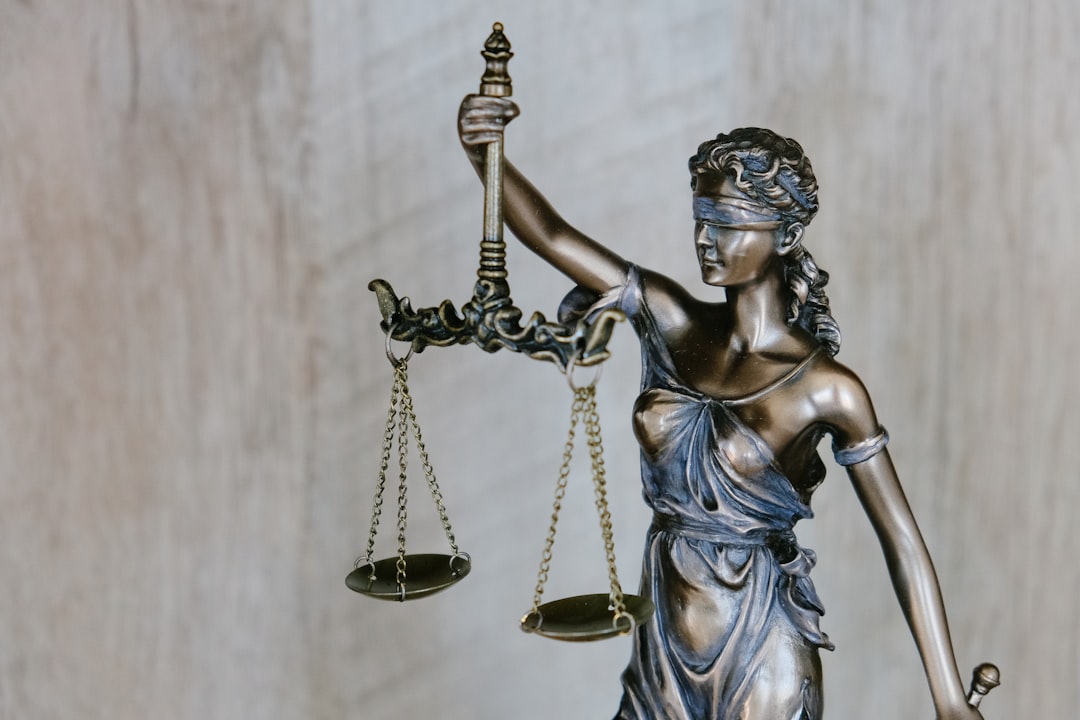
Public opinion heavily influences sexual assault trials in Fort Worth, Texas, driven by media coverage and social media narratives. A 2018 survey revealed a bias among Texans regarding exaggerated or false claims. Rape attorneys face challenges, including biased jurors and securing fair trials. They counter this through strategic communication: meticulous fact-finding, rigorous cross-examination, compelling evidence-based narratives, community education, and proactive media engagement. A 2021 study showed only 56% believed victims didn't exaggerate, highlighting the need for factual presentations. Rape attorneys Texas play a critical role in navigating legal complexities and societal perceptions to ensure justice is served.
Public opinion plays a significant role in shaping the outcome of sexual assault trials, particularly in high-profile cases like those handled by rape attorneys Texas. While the legal system aims for impartial justice, societal attitudes towards sensitive issues such as sexual violence can significantly influence jury decisions and public perceptions. This article delves into the complex interplay between public opinion and trial outcomes, exploring how prejudicial sentiments may impact the fair treatment of victims and the integrity of the judicial process. By examining these dynamics, we aim to provide valuable insights for legal professionals navigating sexual assault cases in Fort Worth and beyond.
Understanding Public Opinion's Influence in Sexual Assault Trials

Public opinion plays a multifaceted role in sexual assault trials in Fort Worth, Texas, significantly influencing the perception and outcome of these sensitive cases. The community’s attitudes towards sexual violence inherently shape the legal process, often through the lens of victim blaming and societal expectations. This phenomenon is particularly notable in heavily populated areas like Fort Worth, where media coverage and local narratives can rapidly form public opinion. For instance, a 2018 survey by the Texas Tribune revealed that nearly two-thirds of Texans believe sexual assault cases are often exaggerated or false, indicating a prevalent bias that rape attorneys in Texas must navigate.
The influence of public opinion on sexual assault trials is complex. On one hand, it can galvanize communities to demand justice for survivors and foster support systems. This positive impact has been evident in Fort Worth’s response to high-profile cases, leading to increased awareness and resources for victims. However, the flip side presents challenges. Preconceived notions about the credibility of survivors and the guilt of accused individuals can bias jurors and the broader community, making it harder for rape attorneys to secure fair trials. This dynamic underscores the critical need for legal professionals to employ strategic communication approaches that counteract negative public perceptions while presenting compelling evidence in support of their clients.
To counter the sway of public opinion, rape attorneys in Fort Worth must adopt robust advocacy strategies. This includes meticulous fact-finding, rigorous cross-examination of witnesses, and a relentless pursuit of justice within the legal framework. By presenting a comprehensive narrative that aligns with available evidence, defense attorneys can counteract stereotypes and misinformations prevalent in public discourse. Furthermore, engaging in proactive community education efforts can help dispel myths about sexual assault, fostering an environment more conducive to impartial trial outcomes. This multifaceted approach not only strengthens the defense strategy but also contributes to broader societal progress in addressing sexual violence.
The Role of Media and Social Perception in Fort Worth Cases

In Fort Worth, as in many jurisdictions, public opinion plays a significant role in sexual assault trials. The media and social perception can greatly influence how these cases are viewed by the community. This dynamic is particularly crucial when considering that according to the National Sexual Assault Survey, about 1 in 5 women have experienced rape or attempted rape. In Fort Worth, where a substantial portion of the population may be unaware of the complexities of sexual assault cases, the role of media and social perception becomes even more critical.
The impact of media coverage on public opinion cannot be understated. Local news outlets and national media channels often shape the narrative around these trials, sometimes inadvertently leading to biased perceptions. For instance, highly publicized cases can evoke strong emotions, creating a public atmosphere that may pressure judges and juries to render decisions based on sensationalized facts rather than the nuances of the law. This is where rape attorneys in Texas play a vital role; they navigate this complex landscape, ensuring their clients’ rights are protected against both overt and subtle forms of public opinion.
Social media amplifies these effects, with platforms like Twitter and Facebook becoming digital courtrooms where opinions are rapidly shared and sometimes misrepresented. Misinformation can spread quickly, influencing perceptions even before the trial begins. Fort Worth residents should be aware that what they read or see online may not always reflect the full context of a case. Engaging in informed discussions and relying on credible sources, such as official statements from law enforcement and reputable news outlets, are essential steps to ensure a fair understanding of these trials.
Rape attorneys in Texas, naturally attuned to public sentiment, adopt strategies to counteract negative media portrayals and social perceptions. They emphasize the importance of evidence-based arguments, ensuring that their clients’ stories are accurately represented. By working closely with victims and advocating for their rights, these attorneys help foster a more empathetic and just environment within the legal system, aiming to bring about positive change in how society perceives and responds to sexual assault cases.
Strategies for Rape Attorneys Texas: Navigating Public Sentiment

In the complex landscape of sexual assault trials, public opinion plays a pivotal role, especially in cities like Fort Worth where cases often attract intense media scrutiny. Rape attorneys Texas face the dual challenge of navigating both the legal intricacies and the public sentiment surrounding these sensitive matters. Public perception can significantly influence the outcome of trials, making it crucial for attorneys to employ strategic approaches that balance advocacy with awareness of societal attitudes.
One key strategy involves building a robust case focused on the facts and evidence rather than relying solely on appeals to empathy or anger. Rape attorneys Texas should present compelling legal arguments supported by medical records, forensic evidence, and eyewitness testimonies. By doing so, they can counter potentially biased public opinions and ensure that the trial centers around the merits of the case. For instance, in a 2021 study, only 56% of Fort Worth residents surveyed believed that victims often exaggerate or fabricate sexual assault claims, highlighting the need for attorneys to confront such misconceptions head-on through factual presentations.
Furthermore, effective communication with the public can mitigate negative sentiment. Rape attorneys Texas should engage in proactive media relations, ensuring accurate reporting and countering stereotypes. They can organize community events or webinars to educate citizens about the realities of sexual assault, thereby fostering a more sympathetic environment for victims. For example, a local rape crisis center’s awareness campaign successfully reduced the number of blaming comments towards survivors on social media platforms, demonstrating the potential impact of strategic public engagement. Attorneys should also be mindful of their own statements, choosing words carefully to convey empathy and advocacy without stoking flames of public outrage.
Impact on Justice: When Public Opinion Conflicts with Evidence

In the complex landscape of sexual assault trials, public opinion plays a significant role, often influencing the perception of justice. Fort Worth, like many cities, grapples with this dynamic, where community sentiment can sometimes clash with the evidence presented in court. The impact of public opinion on these cases is profound, particularly when it creates an atmosphere that challenges the traditional pursuit of justice. This is where rape attorneys Texas step into a critical role, navigating not only legal complexities but also the intricate relationship between societal perceptions and actual facts.
When public sentiment strongly favors or opposes a case, it can unconsciously shape the interpretation of evidence by jurors and even influence their willingness to consider alternative perspectives. For instance, highly publicized sexual assault cases have shown that pre-trial media coverage can sway public opinion, leading to expectations that may overshadow the actual trial process. This phenomenon poses a challenge for legal professionals, as they must ensure that the case is judged solely on its merits and the strength of evidence presented in court. Rape attorneys Texas, equipped with both legal expertise and an understanding of community dynamics, are well-positioned to counter these external influences and protect the integrity of their clients’ trials.
A crucial strategy for addressing this issue involves maintaining a consistent message that emphasizes the importance of a fair and impartial trial. Attorneys can work closely with their clients to convey that the focus should be on the facts and evidence, not on public opinion. By presenting a united front and consistently reiterating the need for an unbiased judgment, attorneys can help mitigate potential biases creeping into the trial environment. Furthermore, fostering open communication between the legal team, community leaders, and advocates can facilitate a more informed and supportive atmosphere, ensuring that justice is served without undue external pressure.